Understanding Pain Beyond the Physical
- by Maria Lopez
- September 29, 2026
SHARE


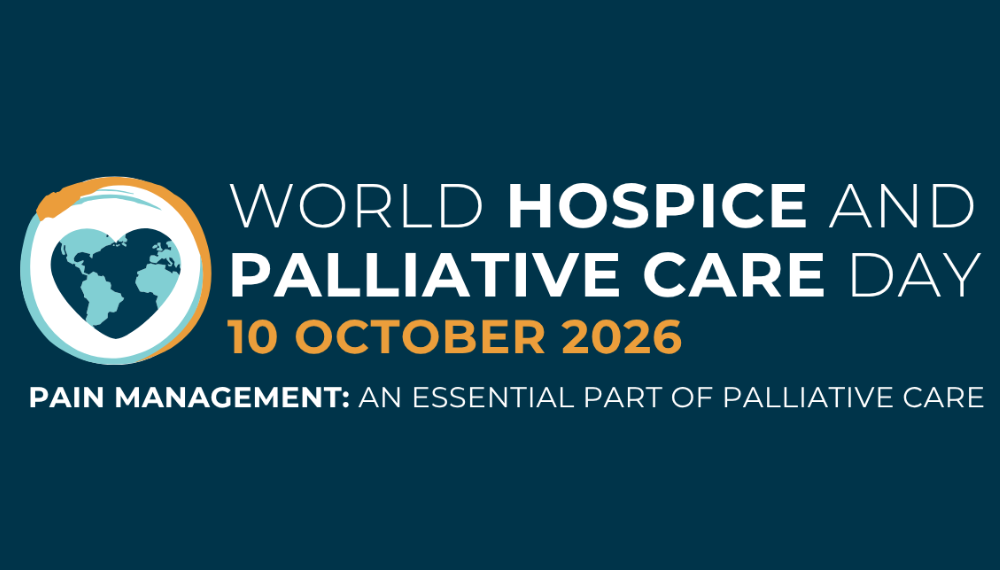
On 10 October, communities around the world will mark World Hospice and Palliative Care Day 2026, with the theme Pain Management: An Essential Part of Palliative Care. The theme was chosen by the World Hospice and Palliative Care Day 2026 organisers to re-emphasise the holistic treatment of pain in palliative care, recognising that suffering is not only physical but can also be psychological, social and spiritual.
When most people think about pain, they picture physical symptoms such as aching muscles, headaches or discomfort caused by illness. However, palliative care professionals have long understood the concept of “total pain”, where emotional distress, anxiety, loneliness, grief, loss of independence, financial concerns and questions about meaning or purpose can intensify a person’s experience of physical pain.
Four important truths about pain
There are several key principles that guide pain management in palliative care:
- Everyone’s experience of pain is different.
- Pain is common in people living with a terminal illness, but not all patients will experience pain.
- Pain is subjective. Pain is what the patient says it is.
- Physical pain can be made worse by psychological worries and distress.
These principles remind us that effective pain management begins with listening to the individual and understanding their unique experience.
Pain that cannot always be seen
For someone living with a life-limiting illness, pain may stem from much more than physical symptoms.
Psychological pain may include fear of the future, anxiety about treatment, depression, uncertainty, or concern about loved ones.
Social pain can arise from isolation, loss of social roles, financial pressures, relationship difficulties, or reduced ability to participate in activities that once brought joy.
Spiritual pain may involve questions about meaning, identity, hope, faith, forgiveness, or what lies ahead.
These forms of distress are deeply interconnected. A person who feels lonely, frightened or overwhelmed may experience their physical symptoms more intensely. Likewise, addressing emotional and social concerns can sometimes help reduce a person’s overall suffering.
Where volunteers make a difference
While clinical teams play a critical role in managing physical symptoms, volunteers are uniquely positioned to help ease many of the non-physical aspects of pain.
A volunteer may not administer medication, but they can provide something equally valuable: human connection.
Through regular visits, active listening and companionship, volunteers help reduce feelings of loneliness and isolation. A friendly conversation, shared cup of tea, walk in the garden or simply sitting quietly with someone can provide comfort during a difficult time.
Volunteers also help people feel seen and heard. When a person has the opportunity to share their fears, memories, hopes or concerns without judgement, it can ease emotional distress and create a greater sense of peace.
The value of volunteer support in palliative care is increasingly recognised in the research literature, with studies highlighting its positive impact on quality of life, social connection and emotional wellbeing. This evidence reminds us that alongside clinical care, human connection is a powerful tool in easing the experience of total pain.
Further reading: https://pmc.ncbi.nlm.nih.gov/articles/PMC13102129/
Learn more about World Hospice and Palliative Care Day 2026: https://thewhpca.org/world-hospice-and-palliative-care-day/
SHARE
Upcoming Events
- OCTOBER 20 - OCTOBER 21, 2026
- 9:00 AM - 5:00 PM
2026 Volunteer Managers Conference
Held just once every two years, the NSW Palliative Care Vol...
Read more
- DECEMBER 1, 2026
- 10:00 AM - 12:00 PM
NSW Network of Managers of Palliative Care Volunteers – December meeting & Christmas lunch
The role of the Network is to ensure best practice for managers of palliati...
Read moreBecome a member of Palliative Care NSW
Palliative Care New South Wales is the peak body in NSW representing palliative care providers and those with an interest in palliative care. Palliative Care New South Wales is a member of the national peak body Palliative Care Australia.
Join today and receive discounts, benefits and more!
Special member rate available for volunteers.
Subscribe to our eNews
Be the first to know our latest new, events, and research!
SUBSCRIBE TO ENEWS